Birds are the pest problem people put off dealing with, partly because a few pigeons on a roof do not look like much and partly because nobody is quite sure what they are allowed to do about it. Both of those are worth addressing, because the damage compounds quietly and the legal position is clearer than most people expect.
Know which bird you are dealing with — it decides what is legal
This is the first thing to establish, and it matters more than anything else in this article.
Native birds are protected in South Australia under the National Parks and Wildlife Act 1972. You cannot harm them, and you cannot interfere with an active nest, without the appropriate permit. Australian magpies, welcome swallows building their mud nests under your eaves, and native parrots all fall into this category regardless of how inconvenient they are being.
The three that generally cause the problems here are introduced species and are not protected in the same way:
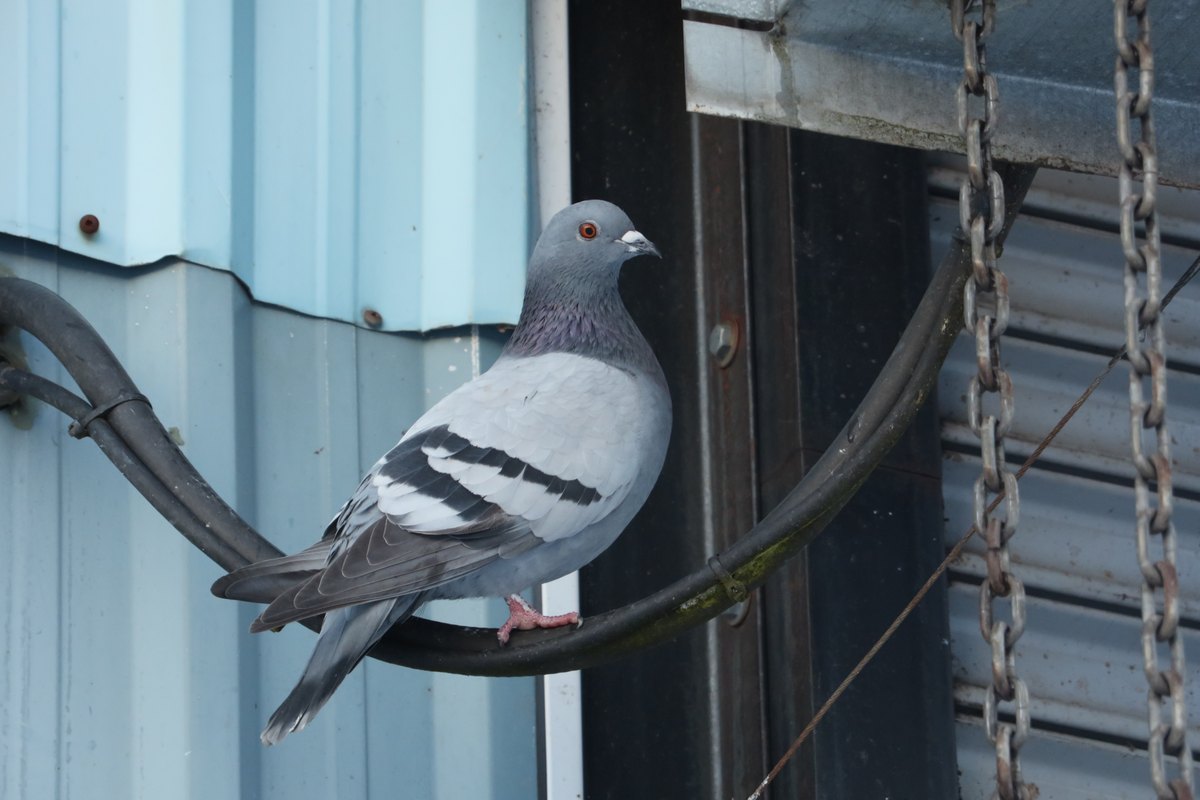
- Feral pigeon — the main offender on commercial buildings, warehouses and older rooflines
- Common starling — nests in wall cavities, roof voids and box gutters, often in numbers
- House sparrow — small enough to exploit gaps most people never notice, and a persistent nuisance in food premises
Because identification determines what can lawfully be done, it is worth confirming the species before anyone touches a nest. Getting this wrong is not a technicality.
The damage is mostly water and corrosion, not the birds
People picture mess. The expensive part is usually structural.
- Blocked gutters, valleys and downpipes. Nesting material and accumulated droppings dam up the drainage, and the first heavy Adelaide downpour sends water back under the roofline and into the ceiling. This is the single most common way a bird problem turns into a repair bill.
- Corrosion. Droppings are acidic. Left on paintwork, render, metal flashing and vehicles, they etch the surface permanently.
- Nesting under solar panels. The gap between panels and roof sheeting is warm, sheltered and almost perfectly designed for pigeons. With rooftop solar as common as it is across Adelaide, this has become one of the most frequent bird jobs — and nesting debris packed under panels is both a fire consideration and a serious drainage blockage.
- Blocked flues and vents. Starlings in particular will nest in a chimney, a rangehood outlet or an eave vent.
- Noise. Scratching and calling in a roof void above a bedroom at first light wears people down surprisingly quickly.
The health side — and one thing not to do
Accumulated droppings support fungi and bacteria, and the risk comes from disturbing them once they are dry, which puts fine particles into the air you breathe. Psittacosis and cryptococcosis are the illnesses usually named in connection with pigeons; both are uncommon, and the risk rises with the size of the accumulation and how enclosed the space is.
So the practical rule is the same one that applies to rodent droppings: never dry-sweep or vacuum a build-up of bird droppings. Dampen the material first so it cannot become airborne, wear gloves and a properly fitted mask, and bag the waste. A confined roof void with years of accumulation is a job to hand over rather than tackle on a Saturday.
The other health issue is the one covered in our article on fleas and mites: when a nest is abandoned, the bird mites living in it come looking for a new host, which usually means the people inside the building.
Exclusion works; scaring them does not
Birds habituate. Plastic owls, reflective tape, rubber snakes and most noise devices produce a few days of results and are then comprehensively ignored — often with a pigeon sitting on top of the decoy. Spending money there is the most common wasted effort in bird control.
What actually resolves it is physical exclusion and removing the reasons the birds are there:
- Close the entry points. Gaps at the eaves, broken tiles, missing vent covers and open box gutters are the way in. Sealing these is the whole job in most residential cases.
- Mesh around solar panels. A purpose-made clip-in perimeter mesh keeps the space under the array unavailable without touching the panels or voiding warranties.
- Netting and spikes on ledges, signage and beams, where the shape of the building makes roosting attractive.
- Remove the food. Uncovered bins, spilled feed around chicken coops and aviaries, fallen fruit, outdoor pet bowls and — above all — deliberate feeding. One neighbour feeding pigeons will sustain a flock across an entire street.
- Clean thoroughly once they are excluded, because roosting sites are marked by scent and droppings and will keep drawing birds back.
When to call someone
Worth getting help if birds are nesting inside the structure rather than just perching on it; if there is an accumulation of droppings in a roof void or an enclosed area; if nests are under solar panels or blocking gutters and flues; if people in the building have started getting unexplained itchy bites; or if you are not certain whether the species you are looking at is protected.
Timing matters too — exclusion is far simpler outside the breeding season, and you cannot lawfully seal an active nest with young inside it.
Request a quote or call 08 7095 6992.