You treat the dog. The scratching stops for a week or two. Then it starts again, and by now there are bites around your own ankles as well. It is one of the most common calls we get, and the reason is almost always the same: the animal was never where most of the problem lived.
The part of the infestation you cannot see
Adult fleas feeding on your pet are a small minority of the population. The great majority of any flea infestation is eggs, larvae and pupae sitting in the environment — down in carpet pile, in the gaps between floorboards, in pet bedding, under couch cushions and in the dust of a subfloor.
Flea eggs are not sticky. They are laid on the animal and then drop off wherever it walks, sleeps and scratches, which is precisely why the heaviest concentrations are along your pet’s favourite routes and resting spots rather than spread evenly through the house.
The species doing this is almost always the cat flea, which despite the name is the flea you will find on dogs as well.
Why the pupal stage defeats most DIY attempts
The pupa is the problem. Inside a sticky, debris-coated cocoon, a developing flea is well protected and can stay dormant for weeks — considerably longer in cool conditions — waiting for a host.
What wakes it is the sign of something warm walking past: vibration, pressure, carbon dioxide and warmth. That produces two effects every Adelaide household will recognise:
- The infestation “returns” a fortnight after treatment. It did not return. Pupae that were immune to the first pass simply finished developing and emerged.
- A house that has been empty erupts when you come home. Holiday houses and properties between tenants are notorious. Nothing hatched while there was no host; the moment people walk in, everything emerges at once.
The vacuum is your most useful tool
Vacuuming does more than remove eggs, larvae and food debris. The vibration and pressure actively stimulate pupae to emerge, which flushes out the protected stage and makes any treatment far more effective.
Do it properly:
- Slowly and repeatedly over pet resting spots, along skirtings and under furniture — that is where larvae shelter, away from light
- Include the couch, including under the cushions
- Empty the canister or bag straight into an outside bin afterwards, every time
- Keep it up daily for a couple of weeks, not just once
Alongside that: wash pet bedding on the hottest cycle the fabric allows, and put it through a clothes dryer if you can — sustained heat is what kills the immature stages, and the dryer does more of that work than the wash.
Treat the animal and the environment together
These are two halves of one job. Your vet is the right source of advice for what goes on the animal — that is a veterinary decision, not a pest control one, and products vary by species, age and weight. Getting it wrong on a cat in particular can be dangerous.
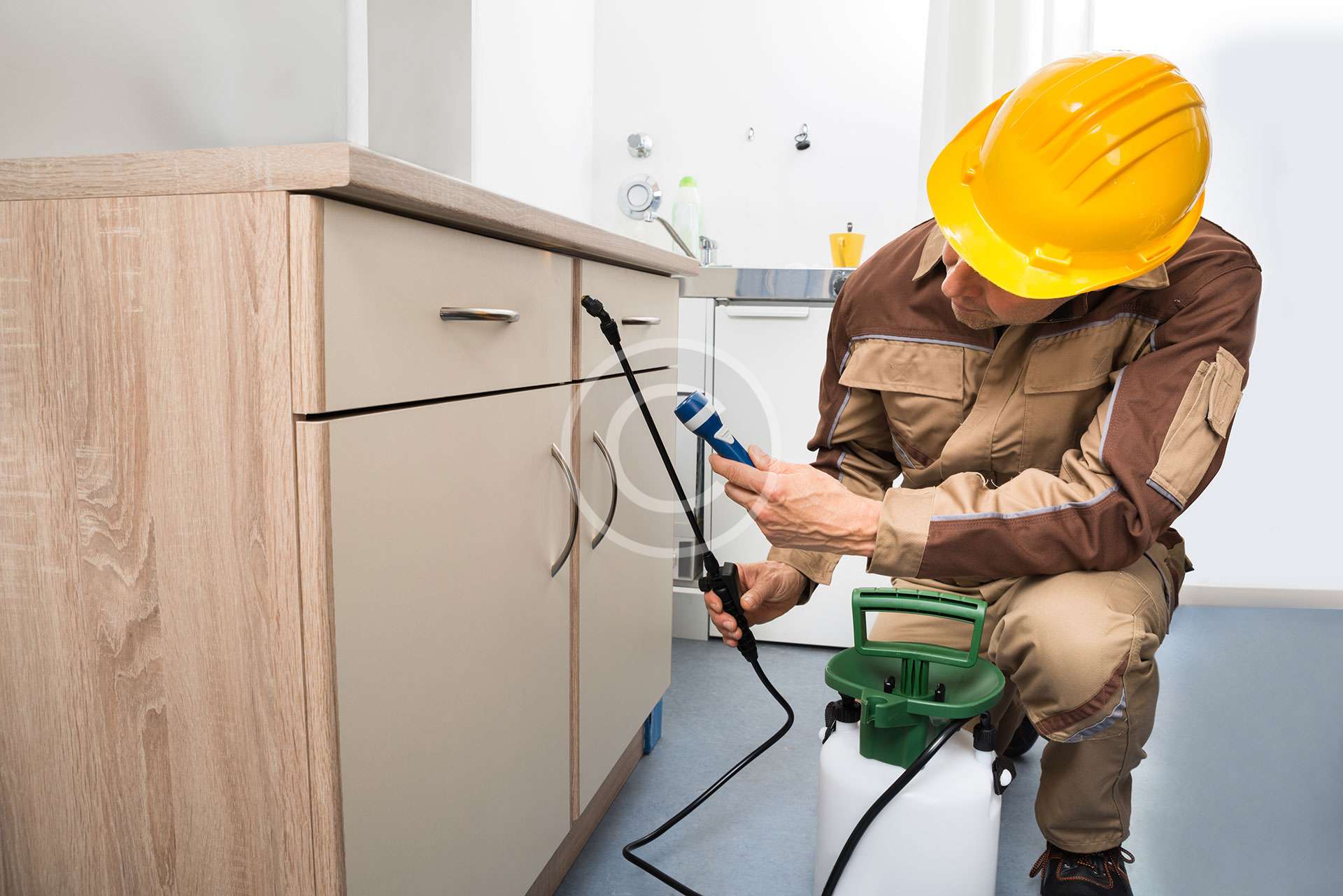
What professional treatment adds is the other half: reaching the eggs and larvae in the floor, and interrupting the cycle so newly emerging fleas cannot mature and lay again. Skip either half and the problem rebuilds.
Mites are usually a symptom, not the problem
“I think we have mites” is a call we take often, and it is worth separating out, because most mite problems are really about something else living in the building.
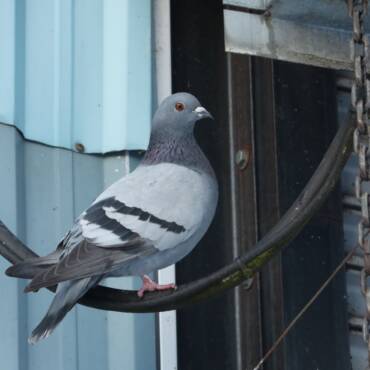
Bird mites are the classic. A bird nests in an eave, a wall cavity or under solar panels; the chicks fledge or the nest is abandoned; and the mites left behind go looking for a new host — which means coming indoors and biting people. The itching is intense and completely baffling, because there is nothing visible to explain it. Treating the bites does nothing. You have to find and remove the nest, or it repeats every breeding season.
Rodent mites do the same thing after rats or mice are removed or die in a cavity.
Dust mites are a different matter entirely — not a biting pest, but the biggest indoor allergen in most Australian homes, and managed through humidity, ventilation, hot-washed bedding and allergen-barrier covers rather than pest treatment.
And if the itching is confined to one person in the household rather than tracking with a room or a pet, that is a question for a GP rather than a pest controller. Scabies is a human parasite and is treated medically.
When to call someone
Call if fleas persist after two to three weeks of proper vacuuming and veterinary treatment of the animal; if you are being bitten indoors and there is no pet in the house at all; if you have just moved into a property and been met with a wave of them; or if you suspect bird or rodent mites, since those need the source located rather than the symptoms sprayed.
Request a quote or call 08 7095 6992 and describe what you have seen.